Environmentalists facing escalating threats in Honduras, but who's really to blame?
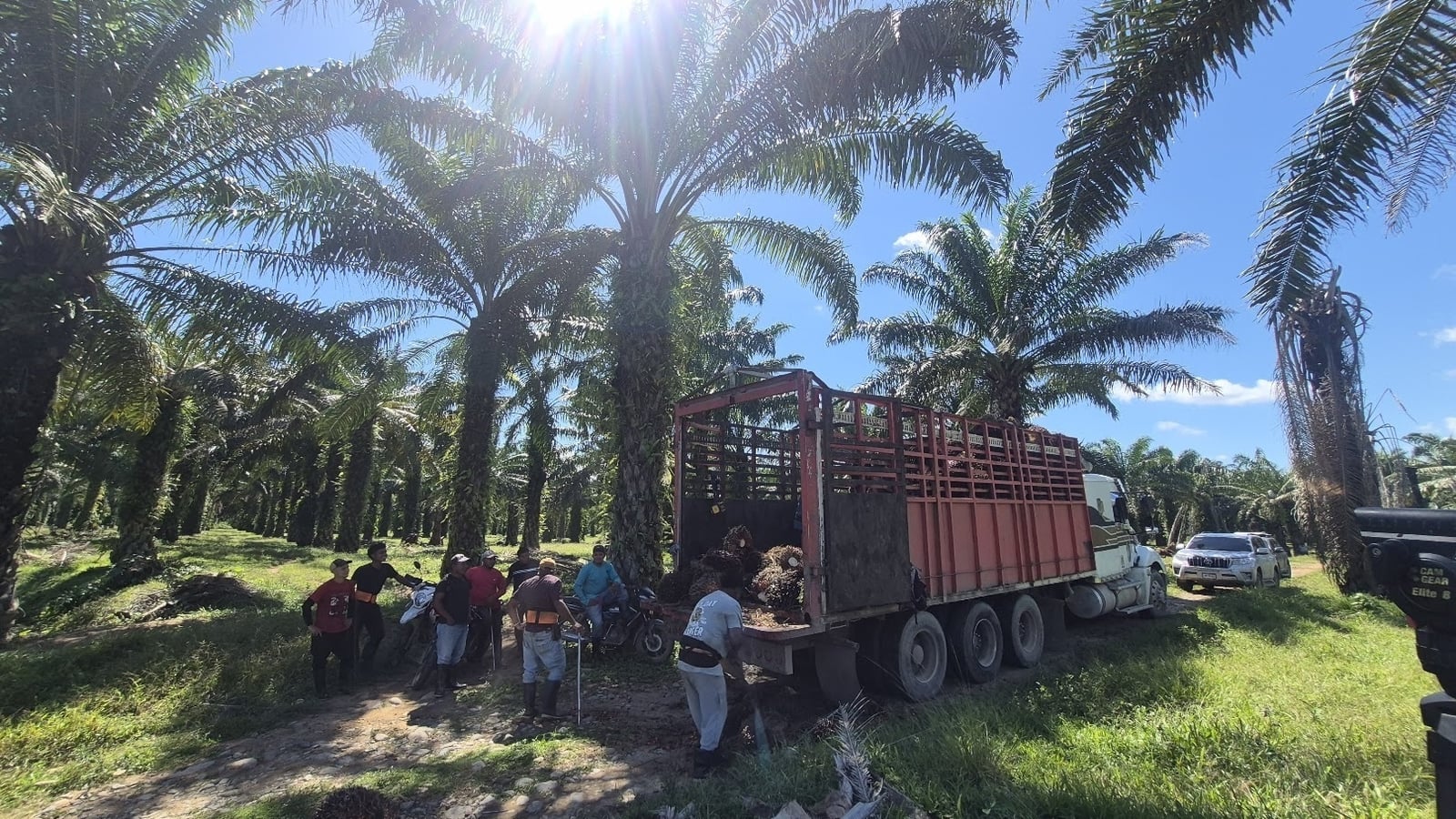
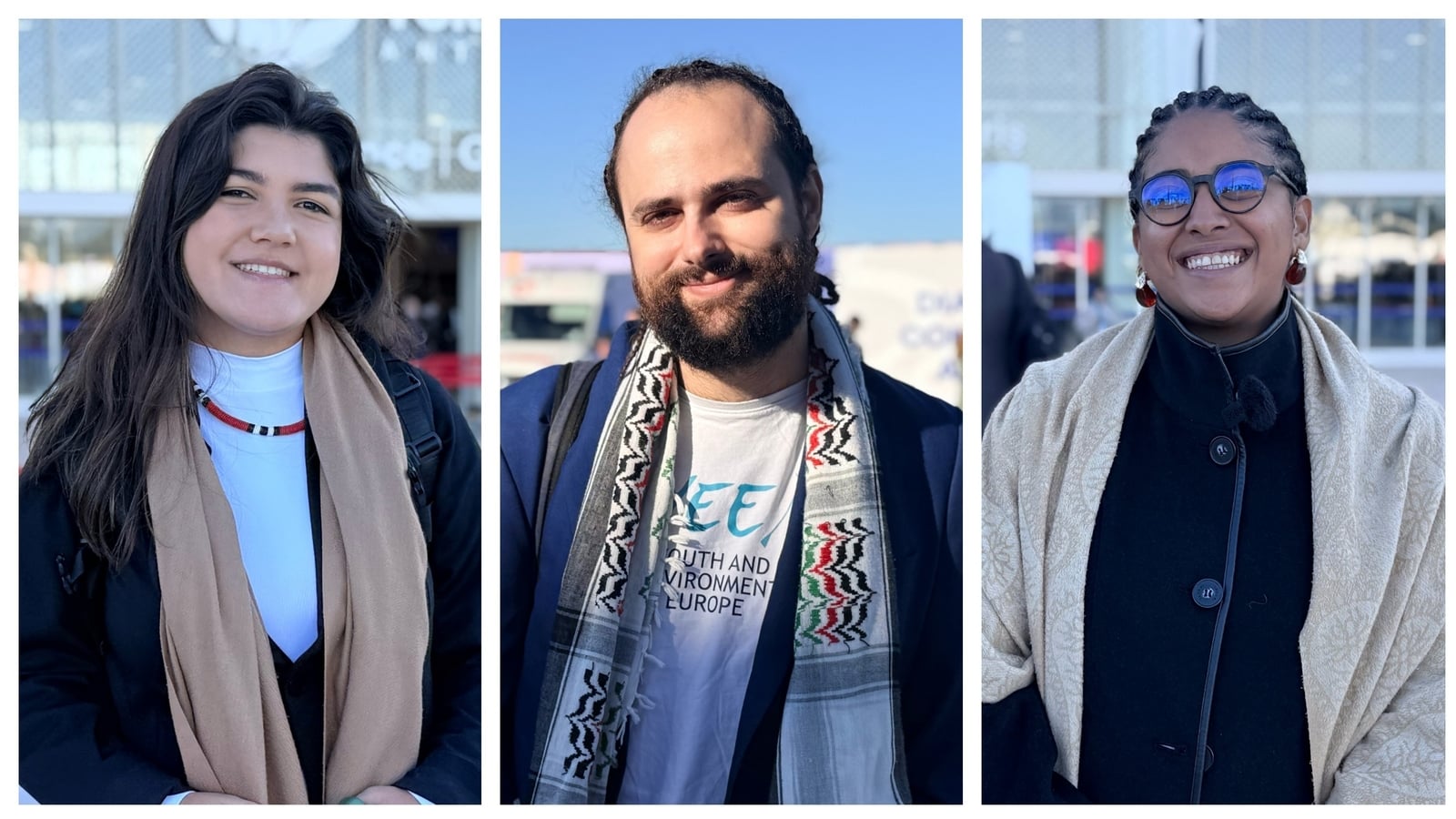
It's a tale of woe and virtue-signalling as the COP31 climate summit in Turkey highlights the dangers faced by land rights and environmental defenders. Because, you know, it's all about the optics. Meanwhile, in Honduras, activists like Yoni Rivas are living in fear of their lives, dodging death threats and intimidation from criminal groups allegedly linked to powerful agribusiness interests. But don't worry, the Corporación Dinant, one of the country's largest palm oil producers, has denied any wrongdoing, saying they're just victims of "coordinated and deliberate efforts to spread false information". Sure, because that's exactly what you'd say if you were innocent.
The Honduran Government, on the other hand, has passed a new law that's supposed to protect investment in large-scale agriculture, energy projects, and tourism. But critics say it's just a clever way to evict families from their land and hand it over to big business. Sounds like a classic case of "we know what's best for you" from the powers that be. And, of course, the UN is weighing in, because what's a good crisis without some international hand-wringing?
George Redman, Country Director for Irish NGO Trócaire, says the legal system is being "weaponised against human rights defenders". Ah, yes, because the real problem here is the legal system, not the fact that these defenders are constantly sticking their noses into the business of others. But hey, who needs nuance when you can just blame the system, right?
It's all just a big mess, and we're sure the COP31 summit will solve everything with a few strongly-worded statements and some passionate speeches. Because that's always worked in the past.